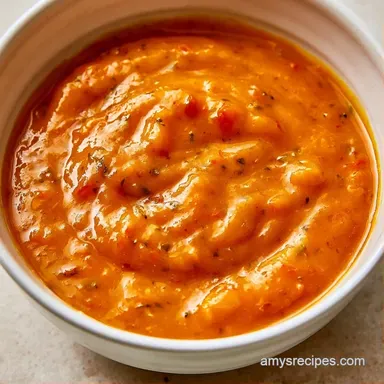
Zesty Spicy Mango Sauce in 15 Minutes
- Time: 5 min active + 10 min cooking
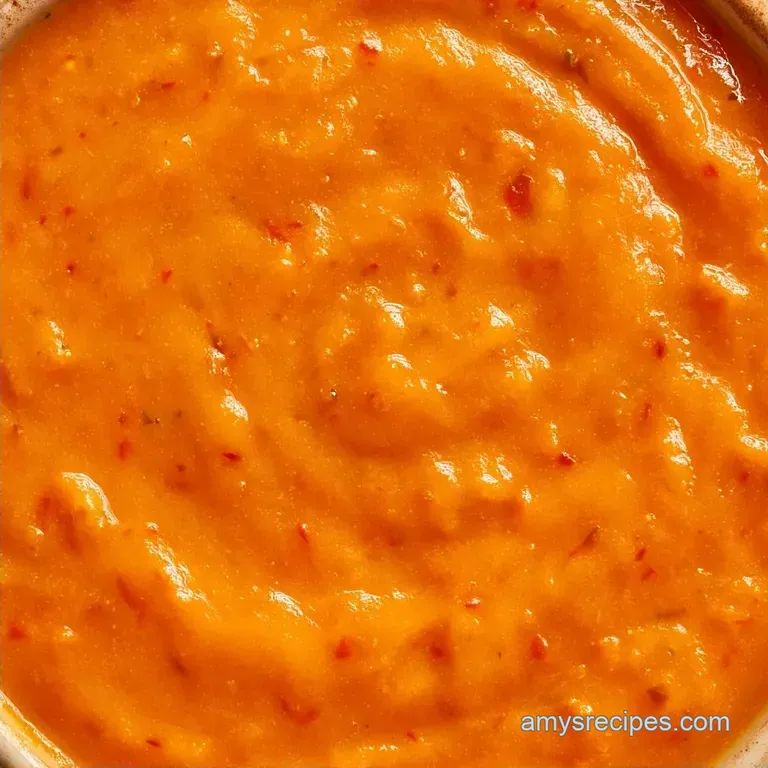
- Flavor/Texture Hook: Bright orange, zesty, and silky
- Perfect for: Weeknight salmon or grilled chicken wings
The smell of fresh ginger and habanero hitting a hot pan is enough to wake up anyone in the house. I remember trying a similar blend at a street market where the sauce was so bright it almost looked neon, and the heat didn't just burn, it glowed.
It had that specific tang that makes your mouth water before you even take a bite.
You can use this Spicy Mango Sauce as a marinade, a dip, or a finishing glaze. It’s one of those condiments that makes a boring piece of grilled fish feel like a meal from a high end bistro.
The process is quick, but the flavor stays with you. We're going for a balance where the heat is present but doesn't drown out the tropical notes of the mango.
Simple Spicy Mango Sauce That Packs Heat
- Fructose Buffer: The natural sugars in mango act as a shield for your tongue, meaning you taste the fruit first before the habanero heat kicks in.
- Natural Pectin: Mangoes have built in thickeners that make the sauce coat a spoon without needing cornstarch.
- Acid Balance: Apple cider vinegar breaks down the heaviness of the honey, keeping the flavor bright.
| Method | Time | Texture | Best For |
|---|---|---|---|
| Blender (Fast) | 15 mins | Smooth and glossy | Dipping and drizzling |
| Reduction (Classic) | 45 mins | Thick and syrupy | Heavy glazing and roasting |
Gear For The Job
No high end equipment is necessary. A basic blender or food processor will handle the hard work. An immersion blender also works well, provided you use a deep enough vessel to avoid splattering mango across your kitchen.
For the stovetop, a small saucepan is ideal. Use a heavy bottomed version if available, since honey can burn easily if the heat is too high. A fine mesh strainer is optional for those who want a seedless result, but I typically leave them in to keep things rustic.
The Main Ingredients
The Quick Stats
| Component | Purpose | Substitute Notes |
|---|---|---|
| Fresh Mango | Base and sweetness | Frozen mango: Thaw first. Slightly more watery |
| Habanero | Sharp heat | Scotch Bonnet: Very similar heat and floral notes |
| Apple Cider Vinegar | Tang and acidity | Rice vinegar: Milder, slightly sweeter |
| Honey | Gloss and bind | Maple syrup: Thinner, adds woody flavor |
Right then, let's look at exactly what goes into the blender. I prefer using honey over white sugar because it adds a depth that complements the ginger.
- 1 cup (165g) fresh mango, peeled and cubed Why this? Provides the body and natural sweetness
- 10g habanero peppers, seeded and minced Why this? Delivers a floral, over high heat punch
- 1 tsp (5g) fresh ginger, finely grated Why this? Adds a warm, peppery zing
- 1 clove (3g) garlic, smashed Why this? Provides a savory, aromatic baseline
- 2 tbsp (30ml) apple cider vinegar Why this? Cuts the sugar and preserves the color
- 1 tbsp (21g) honey Why this? Creates a glossy, sticky finish
- 1/2 tsp (3g) fine sea salt Why this? Enhances all the other flavors
- 1/4 tsp (1g) ground cumin Why this? Adds a subtle earthy undertone
- 1 tbsp (15ml) water Why this? Helps the blender move the thick fruit
Making the Sauce
- Place the cubed mango, minced peppers, grated ginger, and garlic into a blender. Pulse several times until the mixture forms a thick, chunky paste. Note: Add the tablespoon of water now if the blades are just spinning in air.
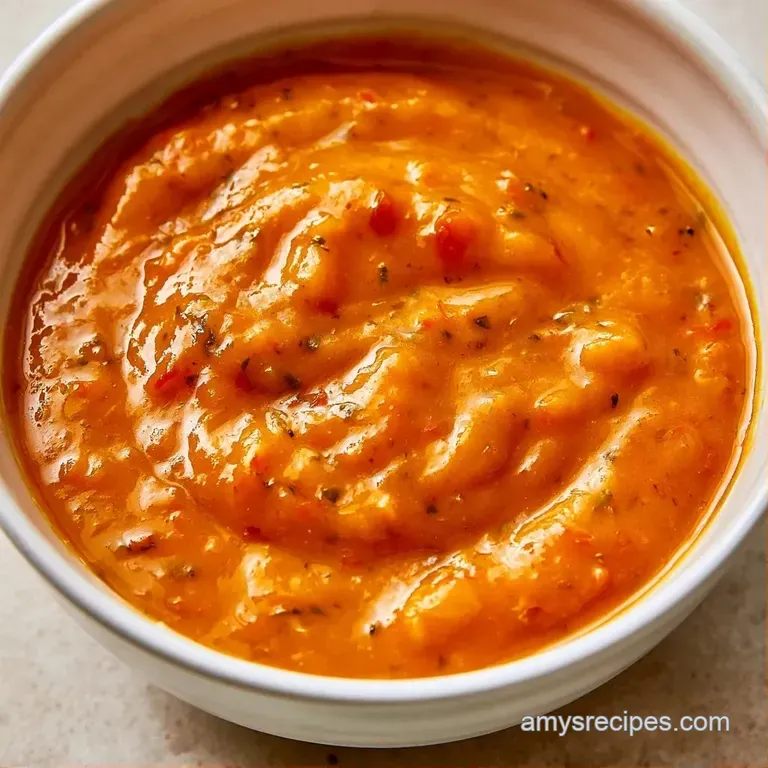
- Add the apple cider vinegar, honey, salt, and cumin. Blend on high for 30 60 seconds until the sauce is completely smooth and bright orange.
- Pour the mixture into a small saucepan over medium heat.
- Bring the liquid to a gentle simmer for 5–8 minutes until the bubbles become larger and slower.
- Remove from heat immediately once it thickens. This happens quickly, so don't walk away from the stove.
- Let it cool for 5 minutes in the pan to let the flavors settle.
- Taste and add a pinch more salt if the mango is exceptionally sweet.
- Pour into a glass jar for storage.
Solving Sauce Problems
If your sauce feels off, it's usually a balance issue. Mangoes vary wildly in sweetness and acidity depending on when they were picked. Honestly, don't panic if it doesn't look like a store-bought bottle immediately; the flavors deepen as it cools.
Taming Excess Heat
If you've gone too far with the habaneros, don't add water. That just thins the sauce without stopping the burn. Instead, whisk in another tablespoon of honey or a bit more mango puree. The sugar binds to the capsaicin and dulls the sting.
Fixing Thin Sauce
A runny sauce usually means the simmer wasn't long enough or the mango had too much water. Simmer it for another 2-3 minutes, but watch it like a hawk. If it's still thin, you can whisk in a tiny pinch of xanthan gum, though the natural pectin usually does the job if you just give it time.
Correcting Sour Notes
Too much vinegar can make the sauce taste sharp. A tiny pinch of baking soda can neutralize the acid, but adding a bit more honey is a more natural fix.
| Problem | Root Cause | Solution |
|---|---|---|
| Sauce is too spicy | Too many pepper seeds | Add 1 tbsp honey or extra mango |
| Texture is grainy | Blender didn't run long enough | Blend on high for another 30 seconds |
| Sauce is too thin | Not reduced enough | Simmer 2-3 mins more on medium heat |
Storing Your Batch
Keep this in a glass jar in the fridge for up to 2 weeks. Because of the vinegar and salt, it holds up well, but the fresh ginger can lose its punch after 14 days.
For long term storage, you can freeze it for 3 months. I find that freezing in ice cube trays is the smartest move. Once frozen, pop the cubes into a bag. You can drop one cube directly onto a hot piece of salmon to create an instant glaze.
To reheat, just microwave a small portion for 20 seconds or warm it in a pan with a splash of water. Since it's a fruit based sauce, avoid boiling it a second time, or you'll lose that bright orange color.
Different Flavor Twists
You can easily pivot this Spicy Mango Sauce to fit different cuisines. If you want something with a more Southeast Asian vibe, swap the cumin for a dash of fish sauce and a squeeze of lime. This creates a profile similar to a Salsa in 25 Minutes recipe, but a cooked, syrupy depth.
For an Indian inspired version, add 1/4 tsp of turmeric and a pinch of garam masala. This works brilliantly as a side for basmati rice or a Curry with Coconut Milk recipe.
If you're keeping things keto, replace the honey with a monk fruit syrup. Note that the texture will be slightly less sticky, so you might need to simmer it a bit longer to get that same cling.
For Seafood Lovers
Add a teaspoon of grated lime zest at the very end. The citrus oils pop against the habanero and make the sauce feel lighter on white fish.
For Poultry and Veggies
Whisk in a tablespoon of soy sauce. The umami from the soy balances the tropical sweetness and makes it a better match for roasted cauliflower or chicken thighs.
Best Ways to Serve
The real magic happens when you use this as a glaze. For chicken, brush the Spicy Mango Sauce on during the last 5 minutes of grilling. If you put it on too early, the honey will burn and turn bitter.
For salmon, I recommend searing the fish first. According to USDA guidance, fish is safe at 145°F, but I pull mine slightly earlier and let it rest. Spoon the sauce over the top just before serving so the heat of the fish warms the glaze without breaking the emulsion.
Another great move is using it as a dip for coconut shrimp or spring rolls. It provides a sharp contrast to the fried elements. You can even stir a spoonful into mayonnaise for a quick, zesty aioli.
Decision Shortcut
- Extra tang? → add 1 tsp lime zest
- More savory? → add 1 tsp soy sauce
- Milder heat? → remove all pepper seeds
Common Sauce Myths
Some people think you have to peel mangoes with a knife, but using a sturdy spoon to scoop the flesh away from the pit is way faster and wastes less fruit.
There is also a belief that simmering fruit sauces "kills" the flavor. In reality, a quick simmer just concentrates the sugars and helps the garlic and ginger infuse into the fruit. It's the difference between a raw puree and a cohesive sauce.
Finally, don't believe that you need a specialized "hot sauce" blender to get a smooth result. Any standard kitchen blender handles this recipe easily as long as you add that splash of water to get things moving.
Recipe FAQs
How to make chilli mango sauce?
Pulse cubed mango, minced habanero, ginger, and garlic in a blender. Blend with apple cider vinegar, honey, salt, and cumin, then simmer for 5 8 minutes until slightly thickened.
What is this sauce made of?
It contains fresh mango, habanero peppers, ginger, and garlic. These are balanced with apple cider vinegar, honey, sea salt, and ground cumin.
Does it taste like Mexican mango sauce?
Yes, it captures that signature sweet heat profile. The combination of habanero and cumin mimics the bold, earthy flavors found in many Latin inspired glazes.
Can I make it spicier?
Increase the amount of minced habanero peppers. To reduce the heat, simply remove all seeds and white membranes from the peppers before blending.
Is it true that you need a food processor for the texture?
False. A standard blender creates a completely smooth, bright orange sauce in 30 60 seconds.
Which foods pair best with this glaze?
Try this on grilled shrimp, salmon, or roasted cauliflower. If you enjoy these bright, zesty flavors, be sure to check out our mango lemonade.
Where should I store the leftovers?
Keep it in a glass jar in the fridge for up to 2 weeks. For long term use, freeze the sauce in ice cube trays for up to 3 months.
Why would the blender fail to emulsify?
A lack of liquid can prevent the blades from grabbing the thick fruit. Adding one tablespoon of water helps the emulsion start during the initial pulsing phase.
Spicy Mango Sauce