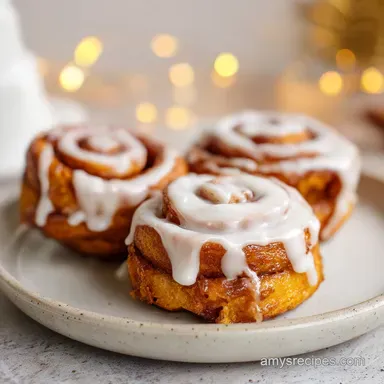
Sinful Cinnamon Rolls: Gooey and Fluffy

- Time: 30 min active + 2 hours proofing = Total 2 hours 50 mins
- Flavor/Texture Hook: Velvety cream cheese glaze with a gooey, buttery center
- Perfect for: Slow weekend mornings or a holiday brunch crowd
That scent of warm cinnamon and toasted butter hitting the air is honestly the best part of waking up. It is a smell that feels like a hug from a grandmother you didn't even know you had. In a lot of cultures, these sweet swirls are more than just breakfast, they're a love language.
Whether it's the Swedish kanelbullar or the American style gooey rolls, the tradition is the same: taking time to make something slow and indulgent for the people you love.
I remember the first time I tried making Cinnamon Rolls from a box mix, thinking I could cheat the process. They were fine, but they lacked that soul, that specific airy stretch you only get from real yeast and patience.
Once I switched to a homemade approach, I realized the magic isn't in some secret ingredient, but in the rhythm of the rise.
We are going for a result that is soft enough to squish between your fingers but has just enough structure to hold all that cinnamon sugar. These aren't those dry, bready things you find at a gas station.
We are talking about fluffy Cinnamon Rolls homemade style, where the frosting melts into the warm crevices and the bottom is slightly caramelized. Trust me on this, the wait is worth every second.
The Secret to Soft Dough
The reason some rolls feel like eating a cloud while others feel like eating a dinner roll is all about how the gluten and fats interact. When we use a decent amount of butter and milk, we're essentially "shortening" the gluten strands, which prevents the bread from becoming too chewy.
Yeast Wake up: Warm milk activates the yeast, creating carbon dioxide bubbles that get trapped in the dough's structure.
Fat Integration: Butter coats the flour proteins, ensuring the crumb stays velvety rather than tough.
Sugar Balance: The sugar doesn't just add sweetness, it feeds the yeast to speed up the first rise.
Double Proofing: Letting the rolls rise a second time after cutting them allows the air pockets to reform, giving that signature pull apart texture.
| Method | Time | Texture | Best For |
|---|---|---|---|
| Standard Oven | 2 hours 50 mins | Golden crust, soft interior | Traditional batches |
| Slow Cooker | 4-6 hours | Steamed, extra gooey | Set it and forget it |
| Air Fryer | 12-15 mins | Crispy edges, dense center | Single servings |
The Component Analysis
Understanding what each part does helps you adjust things on the fly. For example, if you've ever wondered why we use active dry yeast instead of instant, it's about that controlled "bloom" at the start.
| Ingredient | Science Role | Pro Secret |
|---|---|---|
| All Purpose Flour | Structural framework | Measure by spooning into cup to avoid packing |
| Active Dry Yeast | Leavening agent | Keep milk under 115°F to avoid killing the yeast |
| Unsalted Butter | Tenderizer | Soften to room temp for the filling to prevent tearing |
| Cream Cheese | Acid/Stability | Use full fat for a frosting that doesn't run |
The Ingredient Breakdown
Right then, let's look at what you need. I've listed these exactly as they go into the bowl. Don't be tempted to use low-fat milk or margarine here, as the fat is what makes these Cinnamon Rolls so decadent.
For the Dough
- 1 cup warm milkWhy this? Hydrates yeast and adds richness
- 2 1/4 tsp active dry yeastWhy this? Standard packet size for a reliable rise
- 1/4 cup granulated sugarWhy this? Feeds the yeast and browns the crust
- 1/3 cup melted unsalted butterWhy this? Keeps the crumb tender
- 1 large eggWhy this? Provides structure and a golden color
- 1 tsp saltWhy this? Controls yeast growth and enhances flavor
- 4 to 4 1/2 cups all purpose flourWhy this? Balanced protein for softness
For the Sinful Filling
- 1/2 cup softened unsalted butterWhy this? Acts as the glue for the cinnamon
- 1 cup packed brown sugarWhy this? Molasses notes create a deeper caramel flavor
- 2 1/2 tbsp ground cinnamonWhy this? Bold spice for a strong contrast
- 1/4 tsp saltWhy this? Cuts through the intense sweetness
For the Gooey Frosting
- 4 oz softened cream cheeseWhy this? Adds a velvety, tangy finish
- 1/4 cup softened unsalted butterWhy this? Gives the glaze a silky sheen
- 1 1/2 cups powdered sugarWhy this? Sets quickly and tastes clean
- 1 tsp vanilla extractWhy this? Classic aromatic warmth
- 2 tbsp milk or heavy creamWhy this? Adjusts the thickness of the drizzle
| Original Ingredient | Substitute | Why It Works |
|---|---|---|
| All Purpose Flour | Bread Flour | Higher protein. Note: Results in a chewier, more "bread like" roll |
| Whole Milk | Almond Milk | Liquid base. Note: Less richness, may slightly slow the rise |
| Brown Sugar | Coconut Sugar | Granular sweetener. Note: Earthier taste, less "gooey" caramelization |
| Cream Cheese | Greek Yogurt | Tangy thickness. Note: Thinner frosting, less stable at room temp |
Tools You'll Actually Need
You don't need a professional bakery, but a few things make this way easier. If you have a stand mixer such as KitchenAid, use it for the kneading part to save your arms. If not, a sturdy bowl and a clean counter work just fine.
You'll need a 9x13 inch baking pan, a rolling pin, and a sharp knife or unflavored dental floss to cut the rolls without squishing them.
Step by step Guide
Let's crack on with the process. The most important thing here is to follow the temperature cues. If your milk is too hot, you'll kill the yeast; too cold, and it'll just sit there. According to King Arthur Baking, the ideal temperature for activating yeast is usually around 105-115°F.
Phase 1: Activating the Yeast and Kneading
Combine warm milk, sugar, and yeast in a bowl. Let it sit for about 5-10 minutes until it looks foamy and smells like fresh beer. Note: If it doesn't foam, your yeast might be dead; start over with fresh yeast.
Stir in melted butter, egg, and salt. Gradually add the flour, one cup at a time. Knead the mixture until the dough is smooth and tacky, but doesn't stick to your fingers. Note: Tacky is good, sticky is bad. Only add more flour if you can't handle the dough.
Place the dough in a greased bowl and cover it with a damp cloth. Let it rise in a warm spot for 60-90 minutes until it has doubled in size. Note: If your house is cold, put the bowl inside a turned off oven with the oven light on.
Phase 2: Rolling and Filling
Punch down the risen dough to release the air. Roll it out on a floured surface into a rectangle approximately 12x18 inches. Note: Keep the edges even so the rolls are uniform.
Spread the softened butter evenly across the dough surface. Ensure you reach the edges, but leave a tiny sliver of a margin at the top to help it seal.
Whisk the brown sugar and cinnamon together, then sprinkle the mixture generously over the butter. Press the sugar lightly into the butter with your palm until it forms a gritty paste.
Phase 3: Shaping and the Final Proof
Tightly roll the dough into a log starting from the long edge. Cut the log into 12 even pieces using a sharp knife or floss. Note: Rolling too tightly can prevent the centers from rising properly.
Place the rolls in a 9x13 inch baking pan. Let them rise for a second proof until they have expanded and are touching each other. Note: This step is the difference between a dense roll and a fluffy one.
Phase 4: Baking to Mahogany Perfection
Bake at 350°F for approximately 20 minutes until the tops are golden brown and the edges are slightly caramelized. Note: Don't overbake, or you'll lose that soft, pillowy texture.
Beat softened cream cheese, butter, powdered sugar, vanilla, and milk together until smooth. Spread the frosting over the rolls while they are still warm, but not scorching. Note: This allows some frosting to melt into the swirls while some stays thick on top.
Fixing Common Mistakes

Even for the most obsessed home cook, things can go sideways. Usually, it comes down to temperature or flour measurements. If your Cinnamon Rolls feel like bricks, we need to look at your kneading or your proofing time.
Troubleshooting Common Issues
| Issue | Solution |
|---|---|
| Why Your Dough is Too Sticky | This usually happens when the flour to liquid ratio is off, or if you're using a high humidity environment. Instead of dumping in more flour, which can make the rolls heavy, try lightly greasing your |
| Why Your Rolls Didn't Rise | The most common culprit is dead yeast or milk that was too hot. If the milk exceeds 120°F, it kills the organisms that make the bread rise. Always check the foam in step one. |
| Why the Filling Leaks Out | If you see a puddle of cinnamon sugar at the bottom of your pan, you likely rolled the dough too loosely or didn't press the sugar into the butter. A tighter roll keeps the goodness inside. |
Common Mistakes Checklist
- ✓ Check yeast foam before adding flour
- ✓ Avoid adding flour past the "tacky" stage
- ✓ Ensure the second proof happens in a warm spot
- ✓ Use a timer for the 20 minute bake
- ✓ Apply frosting before the rolls cool completely
Adjusting Your Batch Size
Depending on who you're feeding, you might not need a full dozen. Scaling these easy homemade cinnamon rolls requires a bit of a tweak to the timing and temperature.
Scaling Down (Half Batch) If you only want 6 rolls, use a smaller 9x9 inch pan. Reduce the baking time by about 20%, checking them around the 15 minute mark. For the egg, beat one egg in a small bowl and use exactly half of it.
Scaling Up (Double Batch) When making 24 rolls, work in two separate batches. Don't try to knead 9 cups of flour in one bowl unless you have a commercial mixer. I recommend keeping the salt and cinnamon at 1.5x the original ratio rather than a full 2x to keep the flavor balanced.
For the bake, lower the oven temp to 325°F and extend the time by 5-10 minutes to ensure the centers cook through without burning the tops.
If you're in a rush and can't handle the 2 hour wait, you might want to look at my One Hour Cinnamon Rolls which uses a different leavening approach.
Busting Kitchen Myths
There's a lot of outdated advice floating around about yeast and sugar. Let's set the record straight so you can bake with confidence.
Myth: Sugar kills yeast. Actually, sugar is food for yeast. While a massive amount of sugar in a very small amount of liquid can slow down the rise (osmotic pressure), the amount in this recipe is perfectly balanced to help the yeast thrive.
Myth: You must knead the dough until it's completely smooth. Smooth is the goal, but "tacky" is the secret. If you knead until the dough is completely non sticky, you've likely over worked the gluten and added too much flour. This results in a roll that feels more like a bagel than a dessert.
Storage and Freshness
Cinnamon Rolls are best eaten warm, but we've all had leftovers. The trick is preventing them from drying out, as the sugar in the filling tends to pull moisture from the bread.
Fridge Storage Store leftovers in an airtight container for up to 3 days. To bring back that "just baked" feel, microwave a single roll for 15-20 seconds. This softens the butter in the center and makes the frosting gooey again.
Freezing Guidelines You can freeze these in two ways. First, freeze the unbaked, shaped rolls. When you're ready, let them thaw and rise in the pan before baking. Second, freeze fully baked and frosted rolls. Wrap them individually in foil and then a freezer bag for up to 2 months.
Reheat in a 300°F oven for 10 minutes.
Zero Waste Tips If you have leftover frosting, don't toss it! It's essentially a cream cheese glaze. Use it as a dip for apple slices or swirl it into a morning smoothie. If you have a bit of dough left over, roll it into a small "test roll" to check the bake time of your oven.
Plating for Every Occasion
Since we're talking about sinful cinnamon rolls, how you present them matters. Whether it's a lazy Sunday or a fancy brunch, you can change the vibe with a few tweaks.
Simple Level Serve them straight from the 9x13 pan. This keeps them cozy and connected, which is exactly how most people love them. A simple drizzle of extra frosting on top is all you need.
Polished Level Separate the rolls carefully before plating. Place three rolls on a ceramic plate with a side of fresh berries (strawberries or raspberries) to cut through the richness. Dust the plate with a tiny bit of powdered sugar for a clean look.
Restaurant Level Place a single, large roll in the center of a wide plate. Use a piping bag to create a spiral of frosting on top. Garnish with a mint leaf and a drizzle of salted caramel. For an extra touch, you could serve it with a side of my Vanilla American Buttercream for an even more decadent experience.
| Plating Level | Key Element | Vibe |
|---|---|---|
| Simple | Pan served | Family Style |
| Polished | Berry garnish | Brunch Date |
| Restaurant | Piped frosting | Gourmet Treat |
Right then, you've got everything you need to make these gooey cinnamon rolls. The most important thing to remember is that baking is as much about feeling as it is about measuring. Feel the dough, smell the yeast, and watch for that golden mahogany color in the oven.
These Cinnamon Rolls are all about the joy of the process and the happiness of the first bite. Let's get baking!
Recipe FAQs
How to handle dough that is too sticky?
Lightly grease your hands or the work surface. This prevents sticking without adding excess flour, which can make the finished rolls heavy.
Why didn't my cinnamon rolls rise?
The yeast was likely dead or the milk was too hot. If milk exceeds 120°F, it kills the organisms required for the rise. Always check for foam in step one.
Is it true that boiling milk helps yeast activate faster?
No, this is a common misconception. Boiling milk kills the yeast instantly; stick to a temperature between 105-115°F for proper activation.
How to store leftover rolls to prevent drying?
Place them in an airtight container in the fridge for up to 3 days. Microwave a single roll for 15-20 seconds to soften the butter and make the frosting gooey again.
Can I freeze the rolls before baking?
Yes, freeze the unbaked, shaped rolls. Simply let them thaw and complete their second rise in the pan before baking.
How to stop the filling from leaking out?
Roll the dough tightly into a log. Press the cinnamon sugar mixture lightly into the softened butter to ensure it adheres before rolling.
Can I use heavy cream instead of milk in the frosting?
Yes, heavy cream works perfectly. It creates a richer consistency. If you enjoyed mastering the dense texture in our protein energy balls, you'll see a similar approach to richness here.
Cinnamon Rolls: Gooey and Fluffy